Safety Considerations for Gas Fireplace Installations
People seeking gas fireplace installation often want to ensure safety, and local contractors can help by following proper safety considerations for gas fireplace installations.
If you're considering installing a gas fireplace, understanding safety considerations for gas fireplace installations is essential. Property owners in the area often explore this topic to ensure their homes remain secure and to prevent potential hazards associated with improper setup. Whether updating an existing fireplace or adding a new feature to a living space, knowing the key safety factors can help guide a successful installation. Local contractors who specialize in gas fireplace services can provide expert guidance to help navigate these important precautions, making sure the installation meets all essential safety standards.
Keeping safety at the forefront is especially important given the complexities involved in gas fireplace installations. Proper placement, ventilation, and adherence to safety practices are critical to avoiding issues like gas leaks or fire hazards. Property owners interested in installing or upgrading their gas fireplaces are encouraged to work with experienced service providers who understand these safety considerations. These local professionals can help ensure the job is done correctly, giving peace of mind while enjoying the comfort and ambiance a gas fireplace adds to the home.
- Gas fireplace installation services are essential when homeowners need to ensure proper venting for safety considerations for gas fireplace installations, and local contractors can assess and install venting systems correctly.
- When upgrading or replacing an existing gas fireplace, local service providers evaluate the current setup to address safety considerations for gas fireplace installations and make necessary adjustments.
- In new construction projects, local contractors handle the installation of gas fireplaces with attention to safety considerations for gas fireplace installations, ensuring compliance with building codes.
- For homes with existing gas lines, service providers inspect and modify gas connections to meet safety considerations for gas fireplace installations and prevent leaks or hazards.
- During safety inspections, local pros review the entire fireplace setup to identify potential risks related to safety considerations for gas fireplace installations and recommend appropriate solutions.
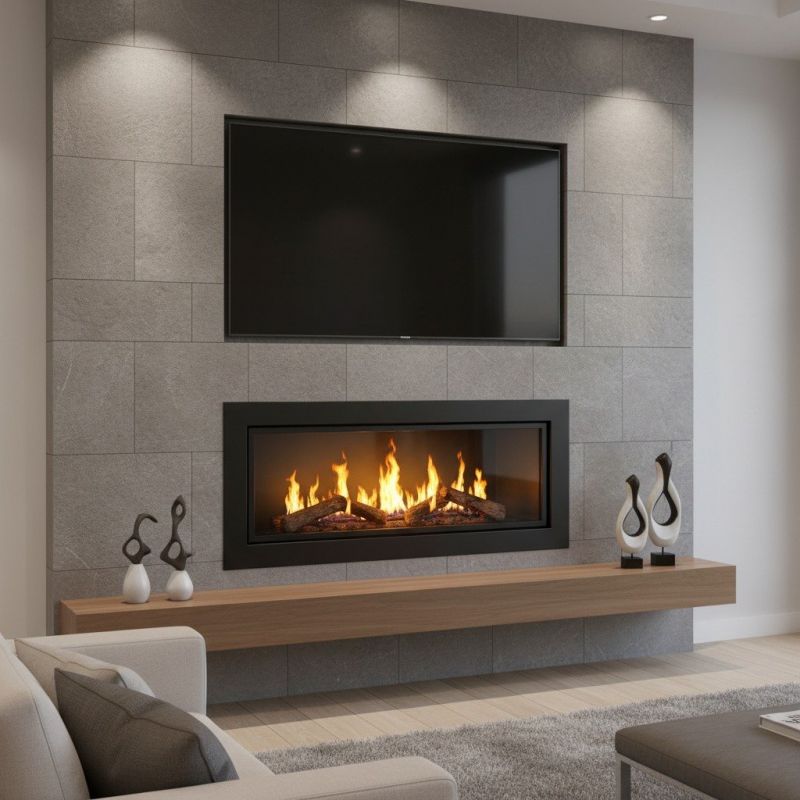
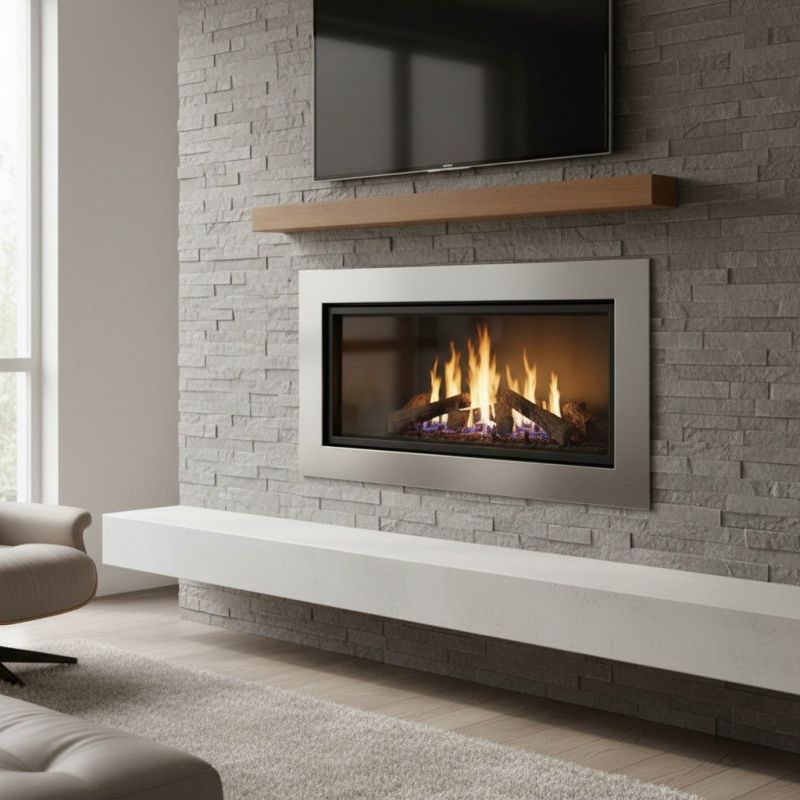
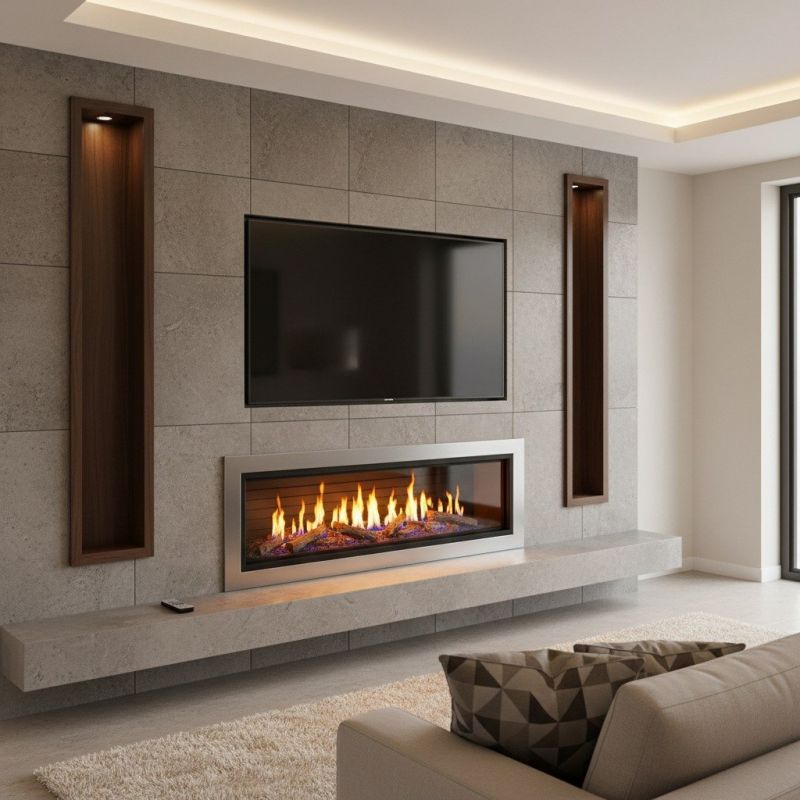
When people search for safety considerations for gas fireplace installations, they are often looking to understand the key safety steps and precautions necessary to ensure a secure and reliable setup. This includes concerns about proper ventilation, correct placement to prevent fire hazards, and the use of appropriate materials and components. Homeowners want to make sure that their new fireplace will operate safely within their living space, avoiding risks like gas leaks, carbon monoxide buildup, or accidental fires. The focus is on understanding the essential safety measures that should be followed during installation and how to identify potential hazards before, during, and after the process.
This topic is closely related to planning and troubleshooting various aspects of gas fireplace projects. Many homeowners consider safety when choosing a location-such as ensuring enough clearance from combustible materials-and when selecting the right type of venting system. Problems like improper vent installation, inadequate clearance, or incorrect gas line connections can lead to serious safety issues. Consequently, safety considerations also involve understanding local building codes and regulations, which are designed to prevent accidents and promote safe operation. Homeowners often seek guidance on how to verify that their installation plans meet these safety standards, or they may need professional help to address existing safety concerns.
The types of properties that typically come up in discussions about safety considerations for gas fireplace installations include a variety of residential settings. This can range from single-family homes and townhouses to condominiums and even some multi-unit buildings. Each property type presents unique challenges, such as limited space, specific venting requirements, or restrictions related to structural elements. For example, a home with an existing chimney might require different safety precautions compared to a newer construction with a dedicated venting system. Understanding the property's layout and features helps determine the safest and most effective installation approach, which is where local service providers with experience in diverse property types become valuable resources.
In practical terms, homeowners looking into safety considerations for gas fireplace installations are often seeking experienced local contractors who can assess their property’s specific needs. These professionals help ensure that the installation adheres to safety standards, properly manages gas lines, and installs venting systems that prevent dangerous buildup of gases. By working with trusted service providers, homeowners can gain peace of mind knowing that their fireplace is installed securely and safely, reducing the risk of hazards associated with improper setup. Connecting with local pros who specialize in gas fireplace installations ensures that safety is prioritized throughout the project, from initial assessment to final inspection.
Fireplace Venting Projects - installing venting systems for fireplaces requires knowledge of proper airflow and safety codes, similar to gas fireplace safety considerations.
Gas Line Installation - working with gas lines involves understanding safe handling and connection practices that are essential for secure gas fireplace setups.
Home Heating System Upgrades - upgrading or installing new heating appliances shares planning and safety protocols relevant to gas fireplace safety considerations.
Indoor Fireplace Renovations - remodeling or installing indoor fireplaces involves similar skills in venting, clearances, and safety precautions as gas fireplace installations.
Carbon Monoxide Detector Installation - installing detectors complements safety considerations for gas fireplace setups by ensuring proper monitoring of indoor air quality.
Chimney and Flue Repairs - maintaining or repairing chimneys and flues aligns with safety measures necessary for secure and efficient gas fireplace operation.
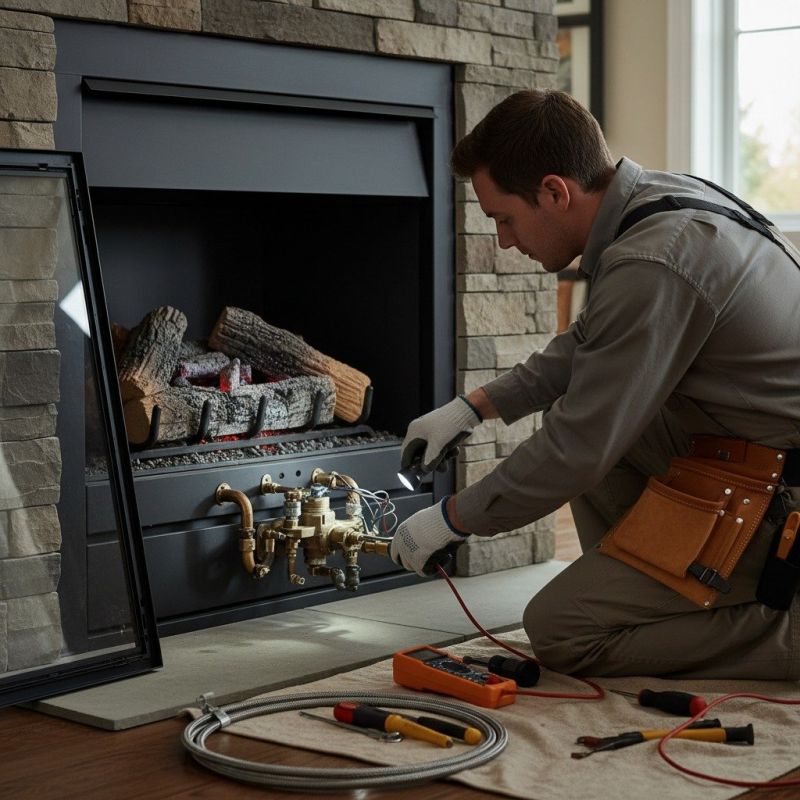
When evaluating service providers for gas fireplace installations, it is important to consider their experience with similar projects. Homeowners should inquire about the types of gas fireplace installations the contractor has completed and whether they have handled projects comparable in size and complexity. An experienced contractor will be familiar with the specific safety considerations for gas fireplace installations and can help ensure that the work adheres to safety standards and best practices. This background provides confidence that the service provider understands the nuances involved and can address potential safety concerns effectively.
Clear written expectations are essential when comparing local contractors for gas fireplace installation services. Homeowners should seek detailed estimates that outline the scope of work, safety measures to be followed, and any necessary inspections or testing procedures. Well-defined expectations help prevent misunderstandings and ensure that all safety considerations are thoroughly addressed throughout the project. Having this clarity also makes it easier to compare proposals and select a service provider who prioritizes safety and communicates openly about the steps involved in the installation process.
Reputable references and effective communication are key factors in choosing a reliable service provider for gas fireplace installations. Homeowners should ask for references from previous clients who had similar work done, particularly those who can speak to the contractor’s attention to safety and professionalism. Good communication involves responsiveness, transparency, and a willingness to answer questions about safety procedures and installation practices. Service providers who demonstrate clear, consistent communication and can provide credible references are more likely to prioritize safety considerations and deliver a successful, secure gas fireplace installation.
Property owners often search for safety considerations for gas fireplace installations when they are planning practical projects around their homes and businesses. Local pros provide Gas Fireplace Installation services for everyday jobs and straightforward project options.


Homeowners in the area often look up safety considerations for gas fireplace installations to ensure their living spaces remain secure and comfortable. Installing a gas fireplace involves more than just placing it in a designated spot; it requires careful attention to proper venting, clearance distances, and secure connections to prevent potential hazards. Property owners might seek guidance on these safety aspects to avoid issues such as gas leaks or improper ventilation that could impact indoor air quality and overall home safety.
Many individuals considering a gas fireplace upgrade or new installation turn to local contractors who specialize in these services. These service providers can help navigate safety requirements, ensuring the installation meets all necessary standards. Connecting with experienced local pros can provide peace of mind, knowing that the project is handled with attention to safety considerations for gas fireplace installations, helping to create a warm and secure environment in the home.
What safety considerations should be addressed during gas fireplace installation? Proper clearance from combustible materials, adequate ventilation, and secure gas line connections are essential safety considerations that local contractors ensure during installation.
How do local service providers ensure safety when installing gas fireplaces? They follow safety standards by inspecting venting systems, verifying gas connections, and ensuring proper placement to prevent fire hazards and gas leaks.
Are there specific safety features that should be included in a gas fireplace? Yes, safety features such as automatic shut-off valves, carbon monoxide detectors, and secure venting systems are typically incorporated by professional installers.
What precautions are taken to prevent gas leaks after installation? Local pros perform pressure testing on gas lines, check for leaks with specialized detectors, and ensure all fittings are properly sealed to prevent leaks.
Can improper installation affect the safety of a gas fireplace? Yes, improper installation can lead to fire risks, gas leaks, or carbon monoxide buildup, which is why professional installation by local contractors is highly recommended for safety.
Proper Ventilation - Ensuring adequate ventilation is essential for safe gas fireplace operation, and local contractors can assess and improve airflow in the installation area.
Clearance Space - Maintaining appropriate clearance around the fireplace prevents heat damage and fire hazards, with local service providers helping to evaluate and establish safe distances.
Gas Line Safety - Properly installed and inspected gas lines are critical for safety; experienced contractors can handle connections and identify potential leaks.
Electrical Safety - Ensuring safe electrical connections and proper wiring reduces fire risks, and local pros can verify compliance with safety standards during installation.
If you are thinking about safety considerations for gas fireplace installations for a property, this guide is meant to help you understand this topic, the typical project types, and how different options might fit your plans.
When you are ready, you can use the quote form on this page to share a few details about your project. From there, local pros can review the basics and follow up with options that match what you have in mind.